Most fabric guides on the internet stop after "Minky is soft, faux fur is fluffy." Useful if you've never touched a bolt of plush; useless if you're trying to pick between three options for a brand mascot you're shipping in 3,000 units. This guide is the version we'd hand a buyer sitting on our workshop bench, with the 10 fabrics we actually stock laid out in front of them.
Each fabric below links to its own dedicated materials page with a closer photo, real-world use cases, and a swatch-request button. Want the physical card before you commit? We ship one by DHL, no charge.
How we actually pick fabric on a brief
When a brief lands, the choice of fabric comes down to four constraints, in this priority order:
- Safety regime. Is this for 0-3 babies, 3-8 kids, or 8+ collectors? That alone eliminates 4 of the 10 fabrics.
- Price ceiling. What's the target landed FOB / DDP unit cost? Fabric is ~10% of total cost, but cascades into stuffing, cutting waste, and finishing.
- Look on shelf. What does this need to read as — toy / mascot / collectible / lifestyle? Pile length is the biggest visual driver.
- Print or no print. Sublimation printing wants short pile (PV / bouclé); embroidery and applique work on anything.
The three cost tiers, plain English
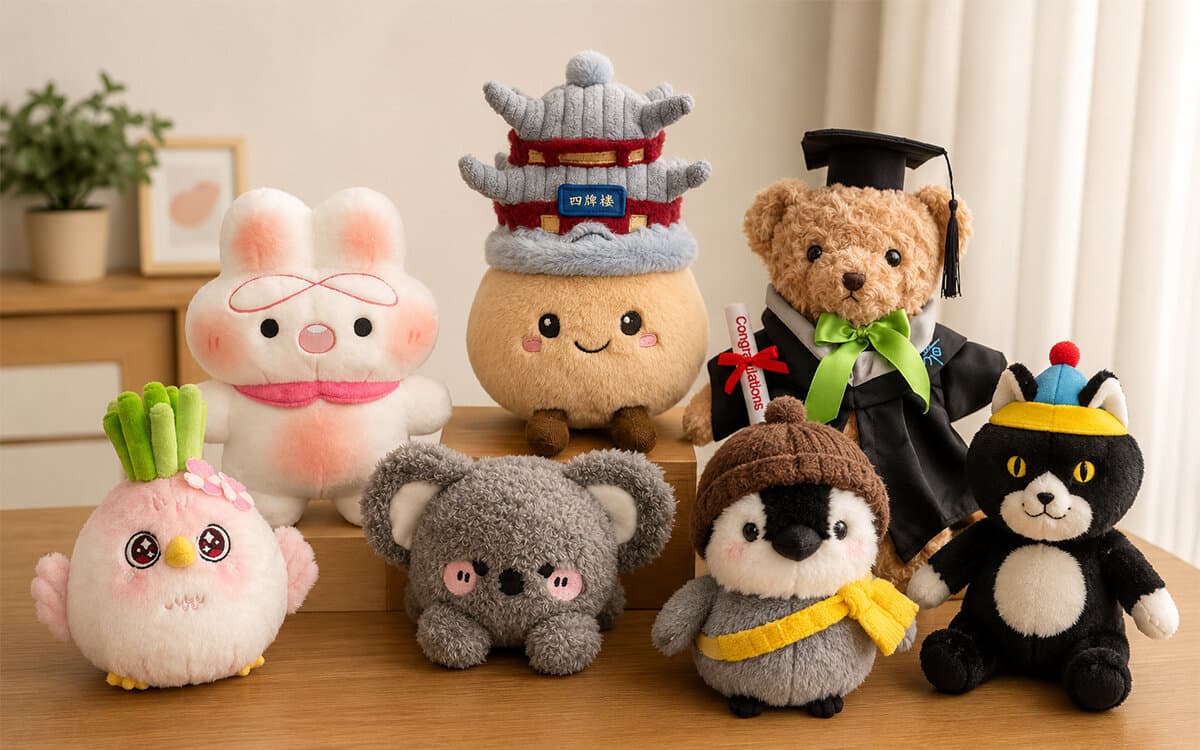
Pricing on plush fabric isn't a smooth gradient — there are three distinct shelves, with real ~30% jumps between them. We bucket every fabric we stock into one of these. The tier sets your expectation for total cost, lead time, and waste:
- Budget (Bouclé, PV): $4-7/kg, low cutting waste (8-10%), reliable supply, prints / embroiders cleanly. Most brand mascots live here.
- Mid (Crystal, Mink, Corduroy, Vintage Teddy, Short Rabbit): $7-15/kg, slightly higher waste (10-14%), better hand-feel for retail. Most premium mascots live here.
- Premium (Faux Rabbit, Tuscany, Mongolian): $16-28/kg, high waste (15-22%), longer lead time. Adult / collector / lifestyle plush only — overkill (and often unsafe) for kids.
Full 10-fabric comparison table
| Fabric | Tier | Pile | Price / kg (2026) | Baby-safe | Best for |
|---|---|---|---|---|---|
| Printed Bouclé | Budget | 3-5 mm | $5-7 | Yes | All-over printed mascots, festival giveaways |
| Soft Polyester Plush (PV) | Budget | 2-3 mm | $4-6 | Yes | Brand mascots, school plush, retail SKUs |
| Crystal Super-Soft | Mid | 4-6 mm | $8-11 | Yes | Premium mascots, gift plush, photo-ready retail |
| Mink Faux Fur | Mid | 1-3 mm | $9-13 | Yes (short pile) | Baby-safe plush, character toys with strong silhouette |
| Plush Corduroy | Mid | 3 mm wales | $7-9 | Yes | Vintage / artisan-feel plush, accent panels on multi-fabric designs |
| Vintage Teddy | Mid | 8-10 mm curl | $10-14 | Yes | Classic teddy bears, heirloom-style brand plush |
| Short Rabbit | Mid | 5-8 mm | $11-15 | Yes (short pile, low shed) | Cuddle-focused plush pillows, premium mascots |
| Faux Rabbit Fur | Premium | 20-35 mm | $16-22 | No (long pile) | Adult collector plush, animal-realism characters |
| Tuscany Faux Fur | Premium | 15-25 mm flowing | $18-24 | No | Highland cow / alpaca / collector plush |
| Mongolian Faux Fur | Premium | 30-50 mm curl | $20-28 | No | Showpiece collector plush, lifestyle home pieces |
Budget tier (under $0.60 per unit fabric cost)
Two fabrics live here, and they handle 60% of all the brand-mascot work we do. If you're shipping a recognizable brand character in 3,000+ units, one of these is almost certainly the right choice.
Printed Bouclé — when an all-over print is the brief
Aliases: North-pole / Beigao plush. Short curly pile that holds a sublimation print without bleeding. Ideal when your character has a complex full-body pattern (stripes, gradients, photographic graphics) that would be impossible to embroider piece by piece.
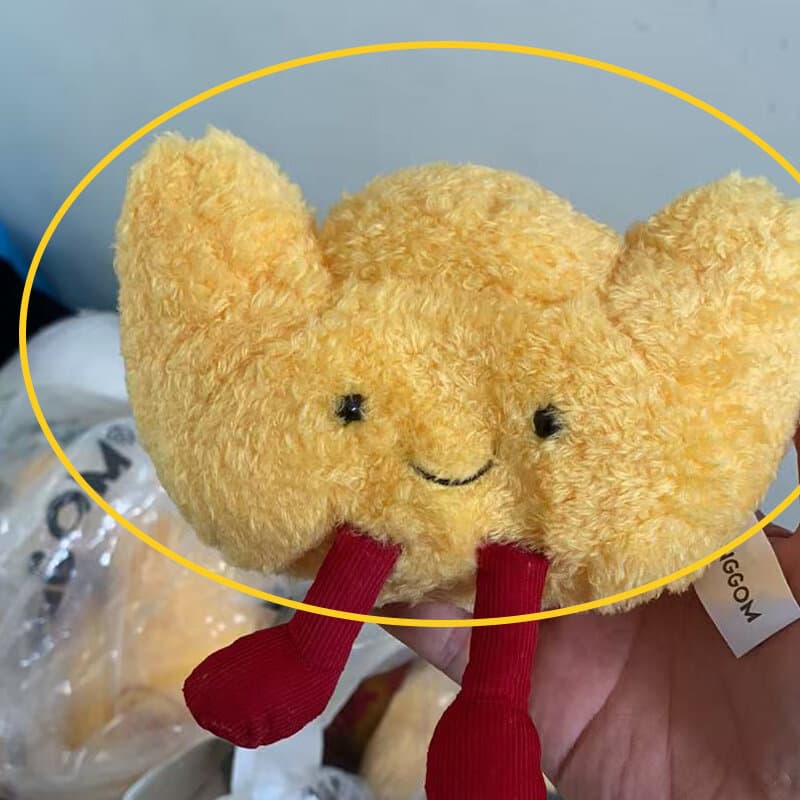
Pick if: You need a full-color illustration on the body (printed before cutting). Pitfall: Print can crack at very tight curves — keep design simple. See detail
Soft Polyester Plush (PV) — the workhorse for brand mascots
Aliases: PV velour / Polyester velour. Smooth short pile, soft hand, takes embroidery and applique beautifully. If your character has a defined face (eyes / nose / mouth via embroidery) and solid body colors, this is the default.
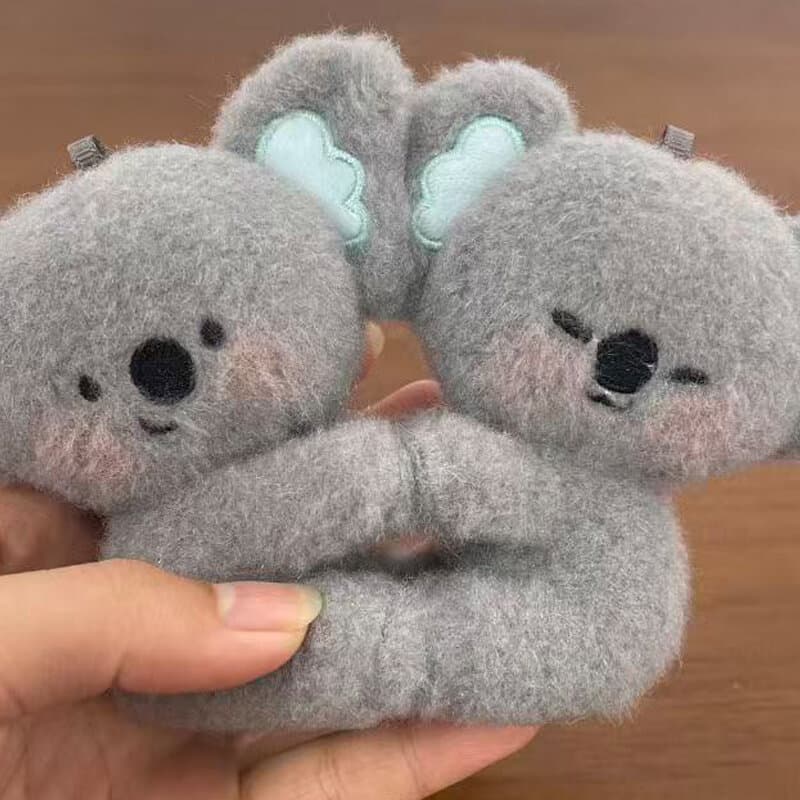
Pick if: You need a clean canvas for embroidered face + applique accents. Pitfall: Looks 'basic' without colorways or texture mixing. See detail
Mid tier ($7-15/kg, 5 fabrics)
The mid-tier is where you go when the budget fabrics feel "too entry-level" — premium mascots, retail SKUs with a $35+ MSRP, gift / collector plush in the $25-50 range. Each fabric in this tier brings a distinct visual or tactile signature.
Crystal Super-Soft
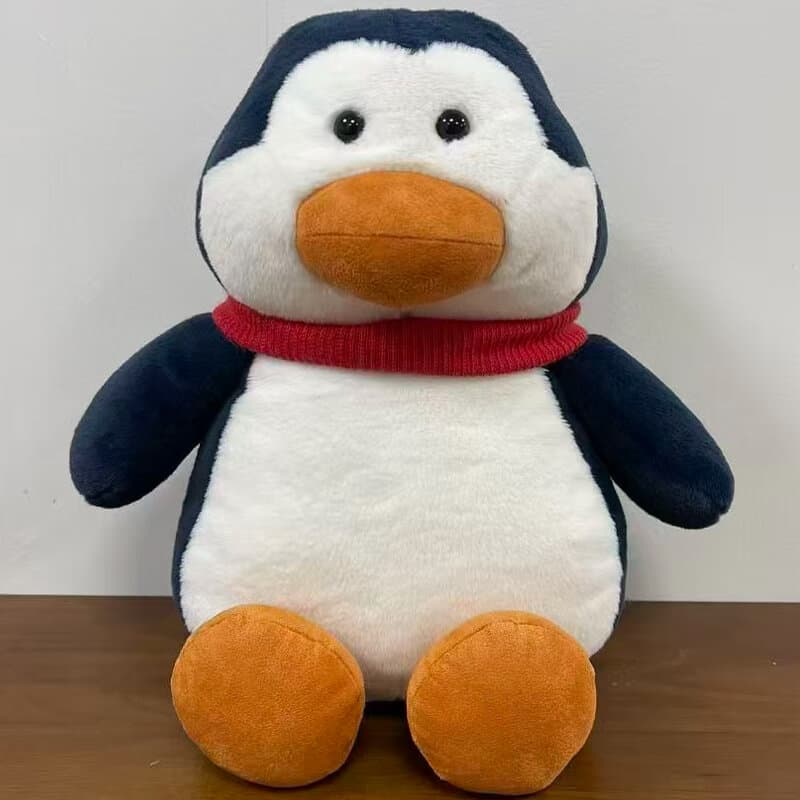
Pick if: You want PV's stability with a noticeably nicer hand-feel. Pitfall: Higher fabric cost; price-sensitive bulk runs often default to PV. See detail
Mink Faux Fur
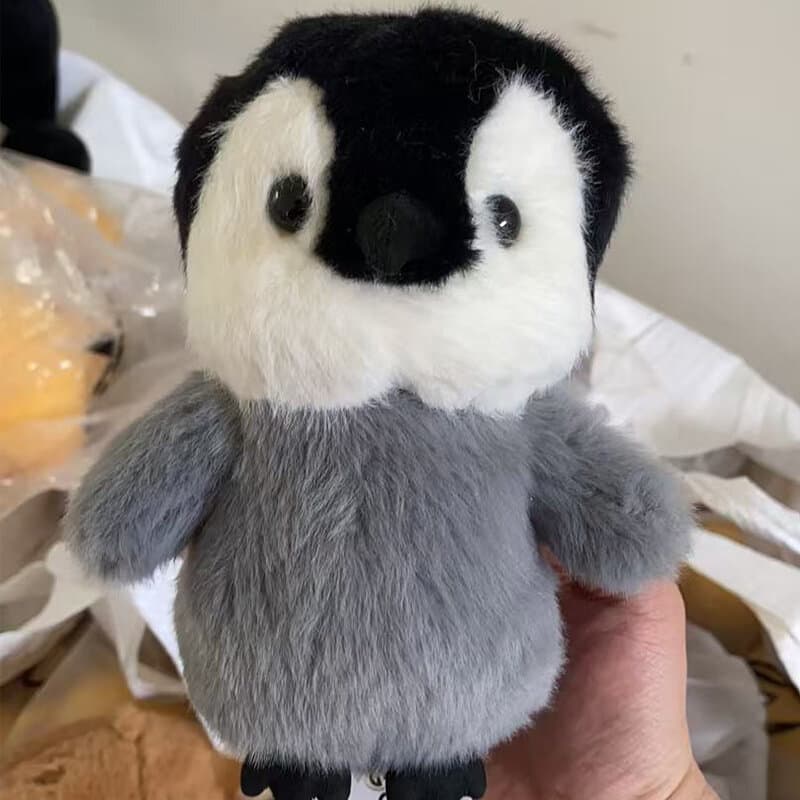
Pick if: You need a smooth, slightly-shiny finish that photographs well. Pitfall: Direction-sensitive — pattern-makers must align nap on every piece. See detail
Plush Corduroy
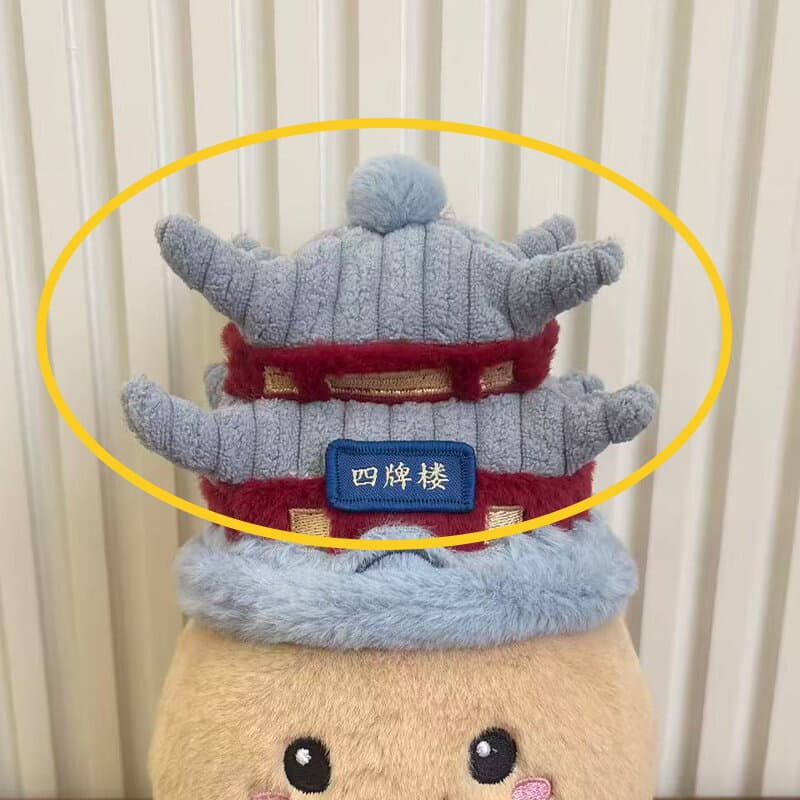
Pick if: You want a textural break against PV / minky on the same toy. Pitfall: Stripe alignment adds 15-20% to cutting time. See detail
Vintage Teddy
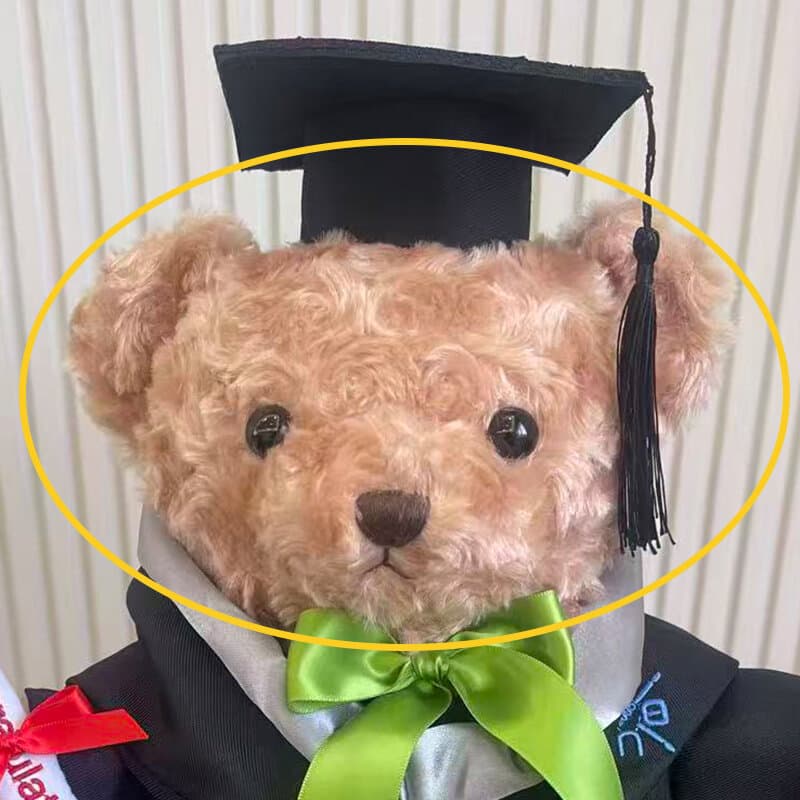
Pick if: You want a recognizable 'rose-curl' surface that reads as nostalgic. Pitfall: Curl direction must be consistent — train the cutting team. See detail
Short Rabbit
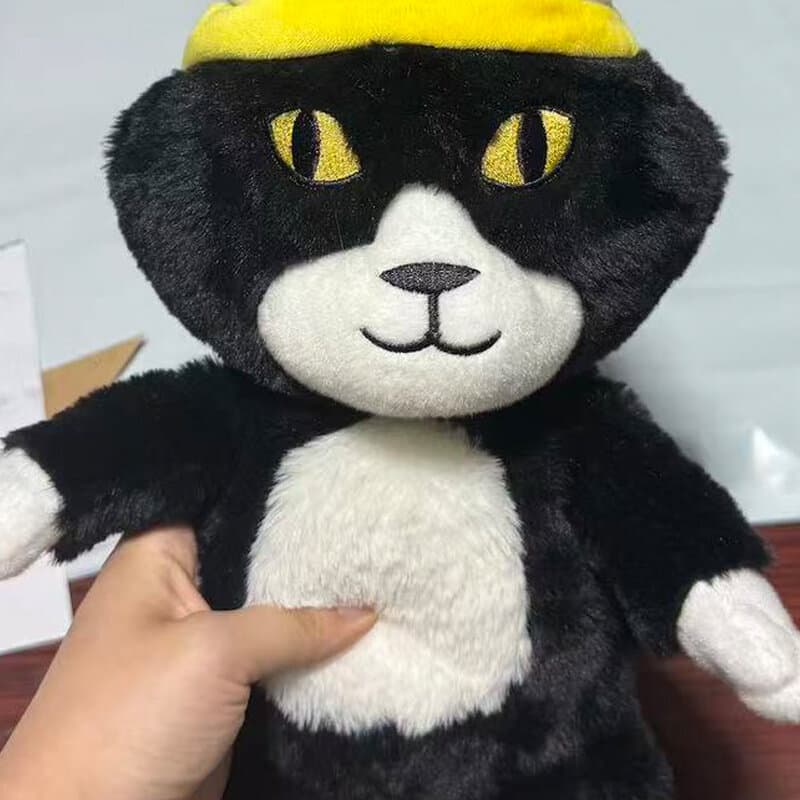
Pick if: You want a luxurious feel without long-pile shedding risk. Pitfall: Harder to sublimation-print on (pile blurs detail). See detail
Premium tier ($16-28/kg)
Three fabrics. All long-pile. All for collector / adult / lifestyle plush — not for kids. This tier is where the "fluffy adult companion plush" market lives, and where a premium 30cm plush can MSRP at $80+ without buyers blinking.
Faux Rabbit Fur
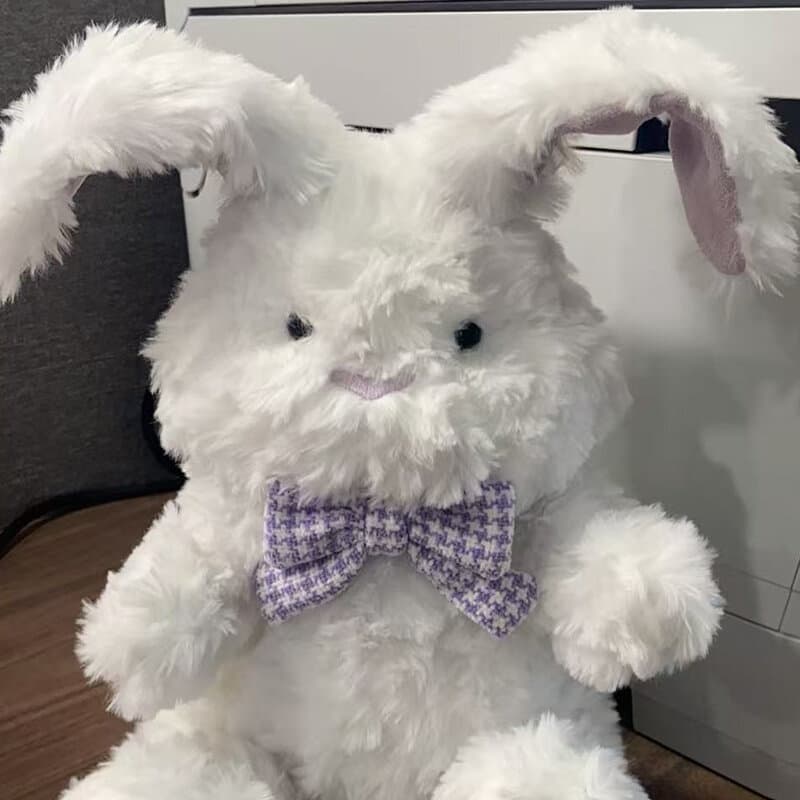
Pick if: You want a fluffy long-pile finish that reads as a real animal. Pitfall: Sheds; requires manual cutting; fails 0-3 safety tests. See detail
Tuscany Faux Fur
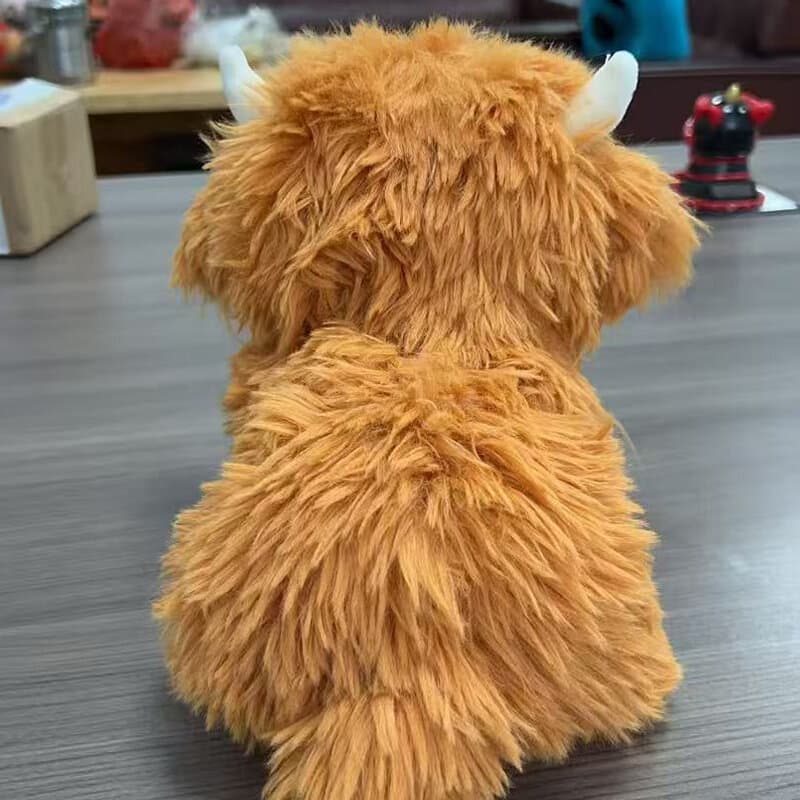
Pick if: You want a distinctive 'wind-swept' look that competitors don't have. Pitfall: Very direction-sensitive; one wrong piece ruins the silhouette. See detail
Mongolian Faux Fur
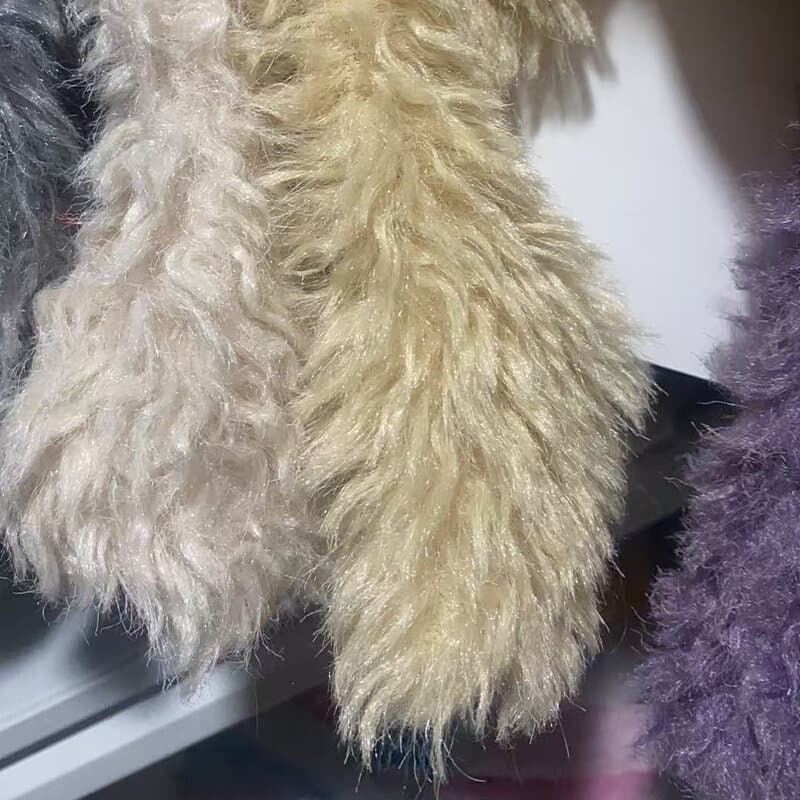
Pick if: You want the absolute statement piece in your line. Pitfall: Highest cutting waste (18-22%); most expensive overall. See detail
Baby- and kid-safety: which fabrics fail
Three safety standards govern most of the world's plush market: EN71-1 (EU), ASTM F963-23 (US), and the same family of small-parts rules in most other markets. The mechanical pull-test on accessories (eyes / nose / labels), the small-parts cylinder test on shed fiber, and flammability are the three that catch most plush.
The 7 short / mid-pile fabrics above all pass these tests routinely. The 3 premium long-pile fabrics — Faux Rabbit, Tuscany, Mongolian — fail the small-parts test for 0-3 use cases because the pile sheds at lengths that count as small parts under EN71-1 § 8.2. Don't market these as baby-safe even if your supplier says it's fine.
Two more lab tests worth knowing: ISO 12945-2 pilling resistance for retail durability, and a REACH SVHC screen for any plush going into EU retail.
30-second decision tree
If you're still stuck, this branches through the four constraints in priority order and lands on a single fabric (or two). It's the same flowchart I run in my head when someone sends a brief.
For more depth on a specific fabric or finishing technique (embroidery vs sublimation vs applique, weighted pellets, sound modules), the fabrics overview covers craft + accessories. The portfolio shows what each fabric looks like at finished-mascot scale across 30+ real brand projects. And Pantone color matching across mills uses Pantone Solid Coated — lock the code on every PO. For brand-claim "recycled" fabric, only GRS-certified rPET is worth the marketing premium.
Written by
Jesse Wong
Founder & Production Lead, CozyPuff · 12+ years in custom plush manufacturing
Twelve years on a Shenzhen plush factory floor — first as a pattern-maker, then running QC for two OEM brands before founding CozyPuff in 2013 around fair pay, low MOQ, and direct-from-factory B2B plush.